
Four Narrow Waterways Carry the World's Trade. Here Is What Happens When One Closes.

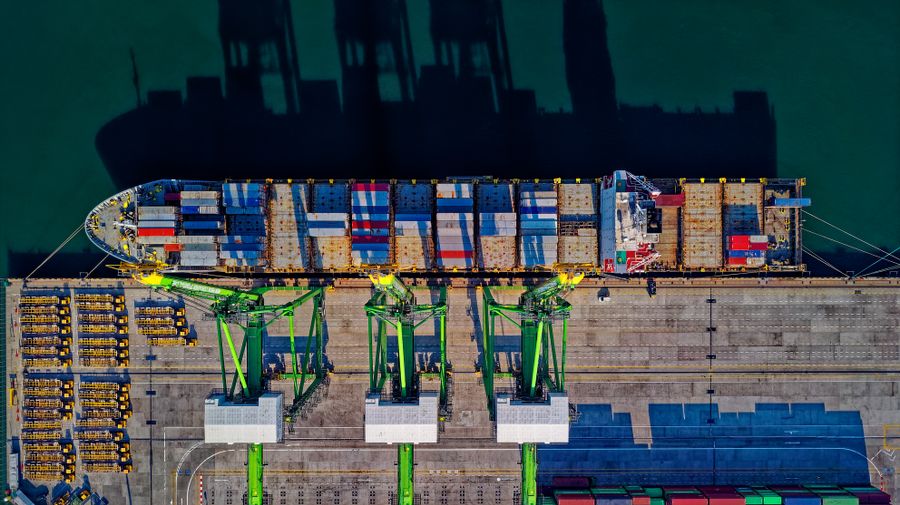
Roughly four-fifths of world merchandise trade by volume moves by sea, according to UN Trade and Development, and an outsized share of it funnels through a handful of narrow passages. The Strait of Malacca links Asia's factories to everyone else. Hormuz carries a large share of seaborne oil. Suez and Panama cut weeks off intercontinental routes — until something blocks them.
The world has run three live experiments this decade. A single grounded container ship shut the Suez Canal for six days in 2021 and backed up hundreds of vessels. Drought lowered Gatun Lake and forced the Panama Canal to slash daily transits in 2023–24. Attacks on Red Sea shipping pushed carriers around the Cape of Good Hope, adding roughly ten days and burning extra fuel on the Asia–Europe run.
The pattern each time is the same: freight rates spike first, insurance premiums follow, delivery windows stretch, and the costs surface months later in consumer prices — far from the chokepoint itself. Modern logistics is built lean, and lean systems transmit shocks quickly.
What makes chokepoints a permanent story rather than an occasional one is that the pressures on them are structural: bigger ships, thinner margins, contested geography and, in Panama's case, rainfall. None of those reverse on their own.
The practical read for anyone watching the world economy: when a chokepoint makes headlines, the second-order story — rates, reroutings, inventories — is usually the one that matters, and it plays out over quarters, not days.

